
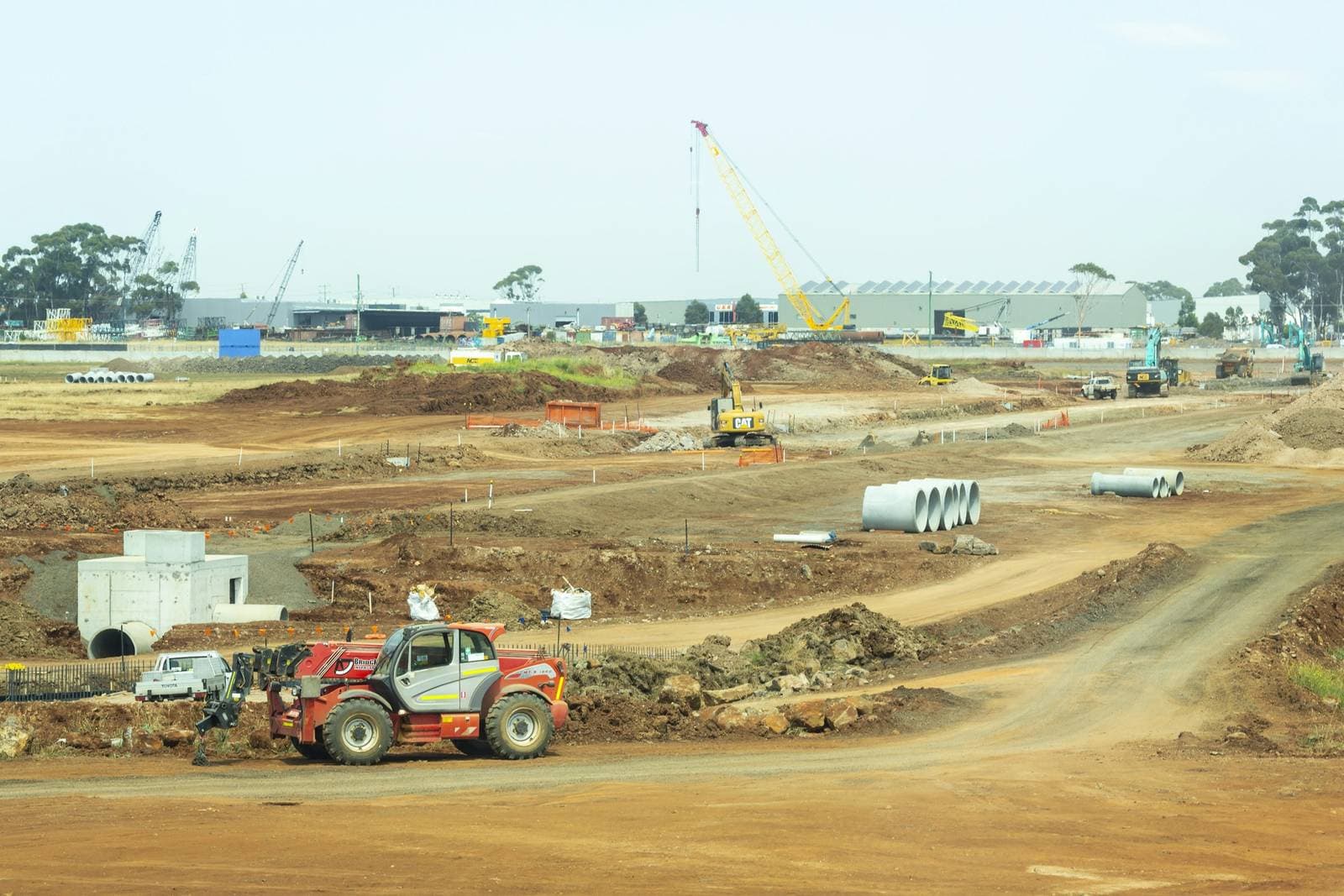
Utility Installation
Water, sewer, storm drain, and underground utility installation for residential, commercial, and municipal projects.
Underground utility installation in Alaska demands specialized knowledge that goes far beyond standard trenching. Our crews install water mains, sewer lines, storm drainage systems, and other underground utilities with careful attention to frost depth, which varies by site and is set by the utility's specifications or your engineer's plans. Every pipe we lay is bedded, backfilled, and compacted to meet both manufacturer specifications and the demanding requirements of Alaska's freeze-thaw environment.
We handle the full range of utility work, from connecting a single residence to municipal water and sewer systems in Soldotna or Kenai, to installing complete utility infrastructure for new subdivisions and commercial developments. Our experience includes HDPE water lines, gravity and force-main sewer systems, corrugated storm drain, and electrical and communications conduit. We coordinate with local utility providers and maintain all required certifications for working around existing underground infrastructure.
For rural properties beyond municipal utility service, we're experienced in well-site preparation, septic system installation, and alternative wastewater solutions approved for use in the Kenai Peninsula Borough. We understand the soil testing, setback requirements, and permitting process, and we work with certified soil scientists and borough officials to ensure your system is designed and installed correctly the first time.
What utility installation covers
MNA Construction installs the underground lines that connect a building to water, sewer, and power on the Kenai Peninsula. That includes:
- Water and sewer service lines from a city main to the house, in areas with city service like Soldotna and Kenai
- Water lines from a private well to the house
- Sewer lines to a septic tank, and the septic system itself on our septic installation page
- Storm drains and culverts that move surface water off a site
- Trenches for underground power and communication lines, dug to the utility's requirements
We work underground. Overhead power lines and poles are built and owned by the electric utility, so if you need a new pole line, start with Homer Electric.
Depth, bedding, and freezing
In Alaska, a water or sewer line is only as good as its depth. A line that freezes in February splits, and you find out at breakup. Lines go below the depth where the ground freezes, or they get insulated where that depth cannot be reached. The required depth comes from the utility's specifications or your engineer's plans, and we dig to that number.
Depth is half the job. The pipe sits on bedding material that supports it evenly, and the trench is backfilled in lifts and compacted so the surface does not sink later. Rocks against the pipe are how a line fails years after it was installed.
Separation matters too. Under ADEC rules, a private water line has to stay at least 5 feet from a septic tank or drainfield, and a well at least 100 feet.
Who to call before the trench is dug
Utility work involves the owner of whatever you are connecting to. Before we schedule, get these answers:
- City water and sewer. Ask the city about connection permits, fees, tap location, and whether they inspect before backfill. Our post on water and sewer connections in Soldotna and Kenai covers the steps.
- Underground power. Homer Electric sets its own requirements for underground service, such as depth and conduit. Get them in writing before we dig. See trenching for underground power.
- Natural gas. If ENSTAR is bringing gas in, ask how they handle the service line before planning a shared trench.
- Road crossings. Work in a borough right of way needs a borough permit. The borough does not charge a fee for it.
We place the 811 locate request, because Alaska law puts that on the person doing the digging. Locators only mark the lines they own. Private lines, like a water line from your well or power run to a shop, are on you to show us. More in calling 811 before you dig.
What drives the price of utility work
Utility work is priced mostly by the foot, adjusted for what is in the way. The drivers:
- Length of the run and the depth it has to reach
- Ground conditions: rock, boulders, and groundwater in the trench
- Bedding and backfill material, if the native soil cannot be used against the pipe
- Crossings of driveways, roads, or other utilities
- Restoration: putting a driveway, lawn, or parking area back after the trench
- Who supplies the pipe and fittings
City connection and tap fees are set by the city and paid separately. Our estimate lists what is in our scope and what is not.
What's included
- Water main and service line installation to frost depth
- Gravity and force-main sewer system construction
- Storm drainage and culvert installation
- Septic system design support and installation
- Utility trench excavation with proper bedding and backfill
- Coordination with municipal utility providers
Need a quote for this service?
Request an EstimateHow a job runs with us
- 1
Call with the connection details
Tell us what is being connected, from where to where, and who the utility is. Any plans, utility letters, or permit conditions help.
- 2
Site visit
We look at the route, existing lines, crossings, and what has to be restored afterward.
- 3
Written estimate
The free estimate lists trench length and depth, bedding and backfill, restoration, and exclusions such as connection fees, pipe if you are supplying it, and engineering.
- 4
Locates and inspection scheduling
We place the 811 locate request and line up any utility or city inspection that has to happen before backfill.
- 5
Trench, install, backfill
We dig to depth, bed the pipe or conduit, hold for inspection where required, backfill in compacted lifts, and grade the surface back.
Common questions
- How deep do water lines need to be buried in Alaska?
- Deep enough to stay below the frost, or insulated where that depth cannot be reached. The exact depth comes from your city utility's specifications or your engineer's plans, and it varies by site. A shallow line saves money once and costs a lot more the first time it freezes.
- Who is responsible for the water or sewer line from the street to my house?
- Ask your city's public works department where its responsibility ends and yours begins, because it differs by system. The private side is usually the owner's to install and maintain. Get the answer before you schedule, along with the city's permit and inspection requirements.
- Do you install utility poles?
- No. MNA does underground work. Overhead power lines and poles are built by the electric utility, which on most of the Kenai Peninsula is Homer Electric. We can dig the trench for an underground service to the utility's requirements.
- How far does a water line have to be from a septic system?
- Under ADEC rules, a private water line has to be at least 5 feet from a septic tank or drainfield, and a well at least 100 feet. ADEC can require more. Plan both systems together so neither one boxes in the other.
- Do I need to call 811 to dig a utility trench on my own land?
- Yes. Alaska law requires a locate request before excavation, and it is the person doing the digging who calls. When MNA does the work, we make the call. Utilities do not mark private lines, so point those out before we start.