
Septic System Installation
Septic tank and drainfield excavation and installation for homes and cabins outside city sewer on the Kenai Peninsula, built to ADEC rules.
If your lot is outside the sewer service of Soldotna, Kenai, Homer, or Seward, your wastewater gets treated on your own property, and the system has to meet the Alaska Department of Environmental Conservation rules in 18 AAC 72. The borough does not approve septic systems. ADEC does. MNA Construction does the excavation and installation work on septic jobs across the Kenai Peninsula, with the system designed and documented by a qualified engineer or an ADEC certified installer.
The soils decide the system. A soils evaluation classifies what is in the ground and sets the size and type of drainfield your lot can support. ADEC also sets hard separation distances: 100 feet from a well or surface water, and at least 4 feet between the bottom of the drainfield rock and the seasonal high water table. On wet Kenai lots, that last rule is often what pushes a site from a simple gravel drainfield to an engineered design.
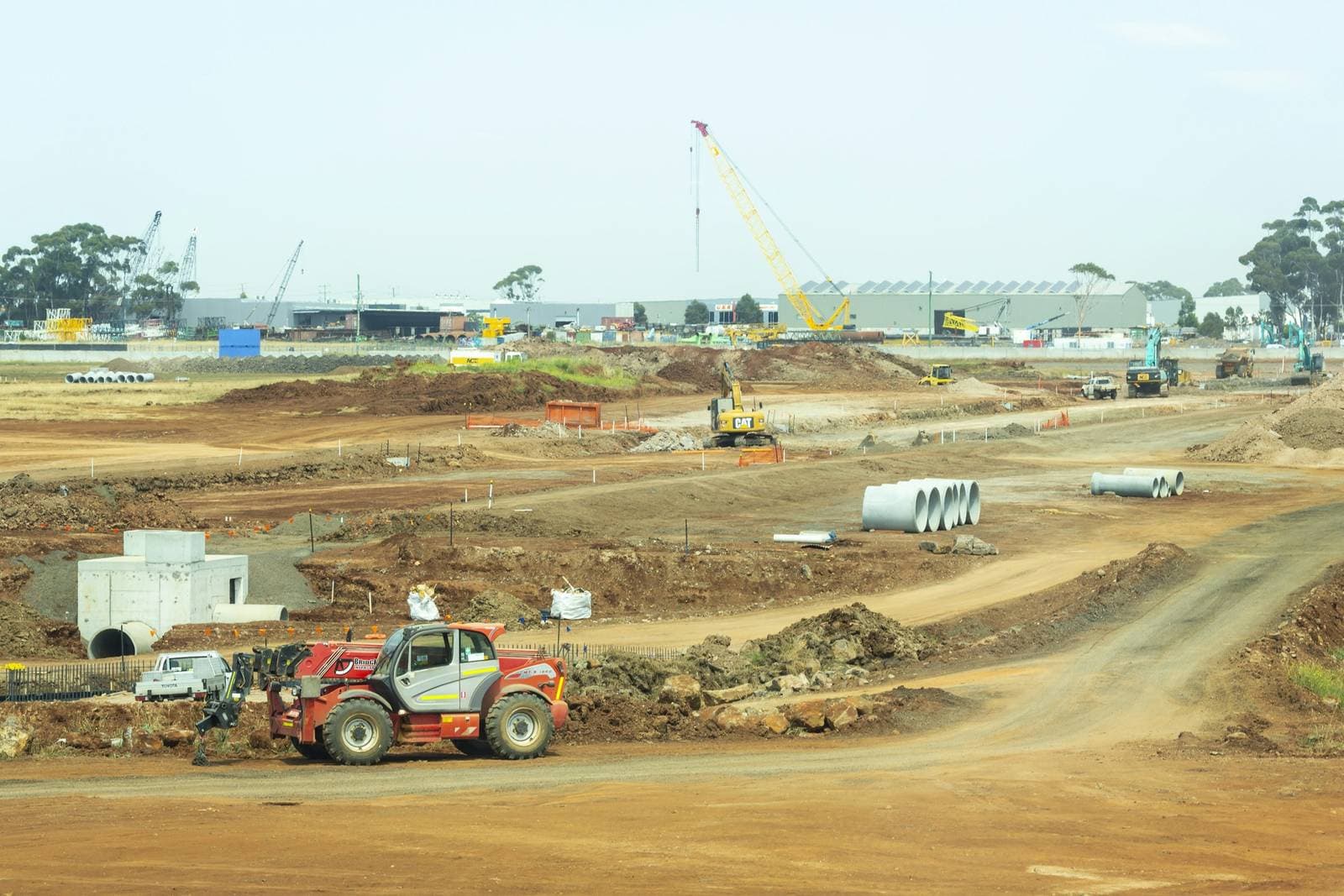
On the ground, the work is digging the tank hole, setting the tank, excavating the drainfield, placing the specified rock and pipe, and backfilling with the right material at the right compaction. Everything has to match the design while it is still open, because that is when it gets inspected and documented. Bring us in before your house plans are final: the septic location often decides where the house, the well, and the driveway can go.
How septic approval works in Alaska
If your lot is outside city sewer in Soldotna, Kenai, Homer, or Seward, you need an onsite septic system, and it is regulated by the Alaska Department of Environmental Conservation under 18 AAC 72. The borough does not approve septic systems.
There are two main paths:
- Conventional system, no prior approval. A system serving one house, a building of up to four units, or a small commercial building on one lot, with a design flow of 1,500 gallons per day or less, can be installed without prior ADEC plan approval if it is installed by an ADEC certified installer. The soils have to fit the rule, and the path is not available where groundwater is within 4 feet of the surface, where permafrost is known or suspected, or where systems in the area have performed poorly.
- Engineered system. Anything outside those limits is designed by a registered engineer. That includes many wet Kenai lots, which end up with mounds or other engineered designs.
There is also a homeowner path: an owner can install a conventional system for their own owner-occupied home after completing ADEC's training and getting approval. Our guide to septic systems in rural Alaska walks through the whole process.
Soils, water table, and setbacks
The soils evaluation decides what kind of system your lot can have. A qualified engineer or soil professional classifies the soil from test holes, and for some sites runs a percolation test, which measures how fast water soaks into the ground. See perc tests and soils tests on the Kenai Peninsula.
ADEC's separation rules then decide where it can go:
- 100 feet from a well or other drinking water source
- 100 feet from a lake, river, stream, spring, or slough
- 4 feet between the bottom of the drainfield rock and the seasonal high water table
- 6 feet between the bottom of the drainfield rock and an impermeable layer like bedrock, clay, or permafrost
- 5 feet between a septic tank or drainfield and a private water line
- 50 feet between the drainfield and a steep slope (over 25 percent, with more than a 10 foot drop)
On a small lot, those distances can decide where the house and well go. That is why the septic plan should come before the house plan is final.
What MNA does on a septic job
MNA Construction does the excavation and installation work on septic systems across the Kenai Peninsula. The system is designed and documented by a qualified engineer or an ADEC certified installer, and we build to that design.
On a typical job, we:
- Dig the tank hole and set the tank level at the design depth
- Excavate the drainfield to the designed size and depth
- Place the specified rock or sand and the distribution pipe
- Backfill with the right material, compacted enough to prevent settling but not enough to crush pipe or seal the soil
- Leave the work open for inspection and documentation where the design calls for it
- Finish grade so surface water runs off the drainfield, not onto it
Frost and wildlife matter here. Tanks and lines either go deep enough to stay below frost or get insulated, and lids and risers need to be secured.
What drives the cost of a septic system
A septic system's price is set mostly by what the soils allow. The drivers:
- System type. A conventional gravel drainfield costs less than a mound or other engineered design.
- Drainfield size, which comes from the soils report and the house's design flow
- Imported material, such as drainfield rock or sand for a mound, and its haul distance
- Depth and insulation needed for frost protection
- Access for the tank delivery truck and equipment
- Engineering, soils testing, and the tank, which may be billed separately
For a fuller breakdown, see septic system cost on the Kenai Peninsula. If you are still deciding on a lot, what to check before buying land explains why the soils should be checked before you close.
What's included
- Septic tank excavation, setting, and backfill
- Drainfield excavation and placement of specified rock and pipe
- Work built to the engineer's or certified installer's design
- Coordination with your designer for inspection and documentation
- Site layout help so the system, well, and house all fit
- Final grading and cleanup over the finished system
Need a quote for this service?
Request an EstimateHow a job runs with us
- 1
Call early
Call before your house plans are final. Tell us where the lot is, the size of the house, and whether a soils test or design has been done.
- 2
Soils and design
The soils evaluation and system design are done by a qualified engineer or ADEC certified installer. We can help coordinate so the design fits what can be built on the site.
- 3
Written estimate
Once there is a design, you get a free written estimate listing the excavation, materials, backfill, and grading, plus exclusions such as engineering, the tank if supplied by others, and ADEC fees.
- 4
Locates and scheduling
We place the 811 locate request and set the install date around the designer's inspection schedule and the weather.
- 5
Install, inspect, and grade
We install to the design, hold the work open for inspection and documentation as required, backfill, and finish grade over the system.
Common questions
- Who can install a septic system in Alaska?
- A conventional system that meets ADEC's rules can be installed without prior plan approval by an ADEC certified installer, who must be a licensed general, excavation, or water and sewer contractor, or work for one. Systems outside those rules are designed by a registered engineer. An owner can also install a conventional system for their own home after ADEC training and approval.
- Do I need a perc test for a septic system on the Kenai Peninsula?
- You need the soils evaluated, and a perc test is often part of that. ADEC only allows conventional systems in certain soil types, so the soil has to be classified, by a sieve analysis or by a registered engineer, often with a percolation test. The results set the size and type of system.
- How far does a septic system have to be from a well in Alaska?
- At least 100 feet from the septic tank and the drainfield, measured edge to edge, under ADEC rules. The same 100 feet applies to lakes, rivers, streams, springs, and sloughs. Plan the well and septic together.
- Can I install my own septic system in Alaska?
- Yes, for a conventional system serving your own owner-occupied home, if you complete ADEC's homeowner training and get approval before installing. You still need the soils classified by a registered engineer or a soils lab. Many owners hire the excavation even when they take on the paperwork.
- What if my lot has a high water table?
- ADEC requires at least 4 feet between the bottom of the drainfield rock and the seasonal high water table. Where the water is closer than that, the system usually has to be raised, as a mound or another engineered design. That costs more, so find out before you buy the lot or set the house location.
- How much does septic installation cost in Soldotna?
- It depends on the system type, the drainfield size the soils require, imported material, and frost protection. A conventional drainfield costs much less than an engineered mound. MNA gives free written estimates once the system design is done, with materials and exclusions listed.