
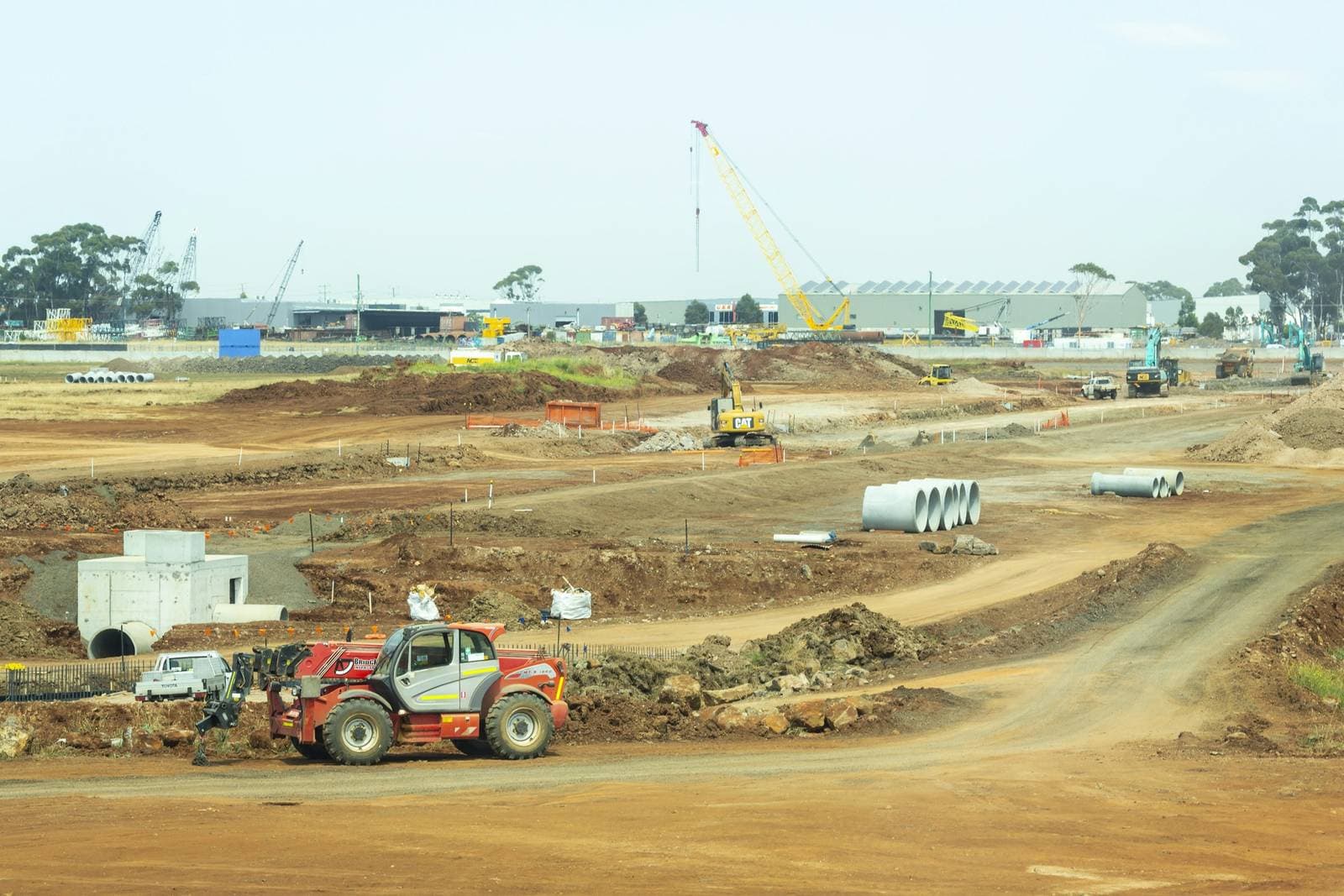
Site Preparation
Complete site clearing, grubbing, and rough grading to get your construction project started on solid ground.
Proper site preparation is the foundation of every successful construction project in Alaska, and the stakes are higher here than almost anywhere else. Our site prep work covers the full scope, from clearing dense spruce and birch forest to grubbing root systems, stripping organic material, and establishing rough grade. We know that cutting corners during site prep in the Kenai Peninsula leads to settling, drainage failures, and costly repairs down the road.
Alaska's soils demand respect. Layers of peat, organic muskeg, and unpredictable subsurface conditions mean site preparation starts with finding out what is under the surface. We probe and test soil conditions, remove unsuitable material down to competent bearing soils, and import structural fill when the native ground can't support your project. Our operators have worked in everything from the soggy lowlands around Kenai to the rocky hillsides above Seward.
We coordinate with surveyors, engineers, and building officials from the start to ensure your site meets all local requirements before the first footing goes in. From a single residential lot to a larger commercial site, we deliver a prepared site that's ready for the next phase of construction, on schedule and within budget.
What site preparation includes
Site preparation is the work that turns raw land into ground you can build on. On the Kenai Peninsula, MNA Construction's site prep jobs usually include:
- Clearing: removing trees and brush from the building area
- Grubbing: pulling stumps and roots out of the ground
- Stripping: removing the organic layer down to firm mineral soil
- Building the pad with structural fill placed and compacted in lifts
- Rough grading so water moves away from the pad
- Access: a driveway or temporary road so trucks and trades can get in
The order matters. Our post on the site work order for a new home walks through what has to happen first, so you are not paying to move the same dirt twice.
Peat, muskeg, and wet ground
The biggest unknown in Kenai Peninsula site prep is how deep the organic material goes. Peat and muskeg hold water and compress under load, so a pad built on top of them settles. On some lots the organic layer is a few inches. On others it is several feet.
You usually do not know until test holes are dug. That is why a good site prep estimate states how deep it assumes the stripping will go and what happens to the price if it goes deeper.
Wet ground brings a second question: whether the area is a regulated wetland. Placing fill in wetlands can need a federal permit, and that process runs on its own timeline. Find out early. Our post on whether your lot is wetlands explains how to check.
What to have ready before site prep starts
The owner's side of site prep is mostly decisions. Have these settled before you schedule:
- A survey with property corners and setbacks marked
- The building footprint and finished floor height, so we know pad size and thickness
- The septic location, if you are off city sewer. It often decides where the house can go. See our septic installation page.
- The well location, which has to stay at least 100 feet from the septic tank and drainfield under ADEC rules
- The driveway location, plus a borough permit if it meets a borough road
- Any water nearby. The borough's 50 foot habitat protection setback limits what can be built near protected salmon water.
If you are still shopping for land, what to check before buying land covers the questions to answer before you close.
How we scope and price site prep
Site prep is priced from quantities, and pad volume is the easiest place to see the math. A 40 by 60 foot pad built 2 feet thick is 4,800 cubic feet, or about 178 cubic yards of compacted fill. Loose gravel compacts down when it is rolled, so more than that gets delivered.
The other drivers:
- How dense the trees are and what happens to the wood and stumps
- How deep the organics go and where the stripped material can be put
- Gravel type and the haul distance from the pit
- Pad size and thickness, which depend on what you are building
- Access and the length of any driveway needed to reach the site
For specific builds, see house pad cost in Alaska, manufactured home pad prep, and shop and garage pad prep.
What's included
- Clearing and grubbing of heavy Alaska vegetation
- Organic material stripping and disposal
- Rough grading to engineered specifications
- Structural fill import and compaction
- Temporary access road construction
- Stormwater management during site work
Need a quote for this service?
Request an EstimateHow a job runs with us
- 1
Call and describe the build
Tell us what you are building, where, and what you know about the lot. A plat, survey, or house plan helps.
- 2
Site visit
We walk the lot to look at trees, wet areas, access, and where the house, septic, well, and driveway can fit. If the organic depth is unknown, we discuss test holes.
- 3
Written estimate
The free estimate lists the clearing area, the assumed stripping depth, pad dimensions, fill quantities, and exclusions such as surveying, engineering, and permits.
- 4
Scheduling
We schedule around ground conditions. Hauling heavy loads during spring breakup can damage soft roads, and placing fill on frozen ground causes problems later.
- 5
Clearing, pad, and rough grade
We clear, grub, strip, build the pad in compacted lifts, and rough grade so water leaves the site. Then we walk it with you.
Common questions
- How much does site prep cost for a new house in Alaska?
- It depends mostly on tree cover, how deep the organic layer goes, pad size, and how far the gravel has to travel. Two lots side by side can differ a lot if one has three feet of peat. MNA gives free written estimates with the assumed stripping depth and fill quantities listed.
- How deep do you have to dig out peat before building?
- Down to firm mineral soil under the building area, wherever that is. On some Kenai lots that is a few inches, on others several feet. When the organic layer is very deep, an engineer may recommend a different approach, so test holes before you commit are worth the money.
- What order should site work happen in for a new home?
- In general: survey and layout, then access and clearing, then stripping and the pad, then utilities and septic, then foundation and backfill, then final grade. The septic and well locations need to be decided before the house is placed. Our site work order post has the full sequence.
- Can site prep be done in winter?
- Clearing can work in winter, and frozen ground can make access easier on soft lots. Placing and compacting fill is a summer job, because frozen material does not compact and will settle when it thaws.
- Do I need a survey before site prep?
- If the building is anywhere near a setback, a property line, or water, yes. Building the pad in the wrong place is the most expensive mistake in site prep, and a survey is cheap compared to moving one.